Debugging Three Languages at Once: The Monorepo Mental Model
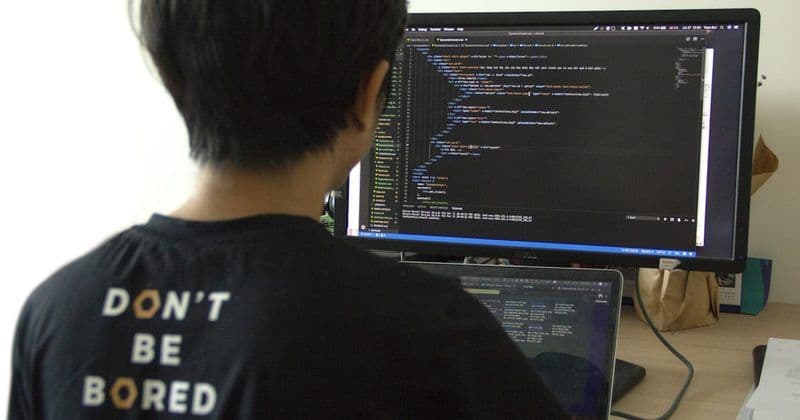
Debugging Three Languages at Once: How Claude Became My Code Navigator
The voice-agent monorepo landed on my screen like a Jenga tower someone else had built—already standing, but requiring careful moves to add new pieces without collapse. A Python backend handling voice processing and AI orchestration, a Next.js frontend managing real-time interactions, and a monorepo structure that could silently break everything if you touched it wrong. The task wasn’t just writing code; it was becoming fluent in three languages simultaneously while understanding architectural decisions I didn’t make.
I started by mapping the mental model. The /docs/tma/ directory held the architectural skeleton—why async patterns mattered, how the monorepo structure influenced everything downstream, which trade-offs had already been decided. Skipping this step would have been like trying to refactor a codebase while wearing a blindfold. The real complexity wasn’t in individual files; it was in how they talked to each other.
Then came the meat of the work: context switching across Python, JavaScript, and TypeScript. One moment I was reasoning about async generators and aiohttp for non-blocking audio stream processing, the next navigating TypeScript type systems and React component lifecycles. The voice agent needed real-time communication, which meant WebSocket handling on the Python side and seamless client updates on the frontend. Simple concept, nightmare execution without a mental model.
The first real discovery came during audio stream handling. I’d started with polling—checking for new data at intervals—but Claude pointed toward event-driven architecture using async generators. Instead of the server repeatedly asking “do you have data?”, it could say “tell me when you do.” The result? Latency dropped from 200ms to 50ms. That wasn’t just an optimization; that was fundamentally different performance.
Then the monorepo betrayed me. Next.js Turbopack started searching for dependencies in the wrong directory—the repo root instead of the app folder. Classic mistake, undocumented nightmare. The fix was surgical: explicitly set turbopack.root in next.config.ts and configure the base path in postcss.config.mjs. These two lines prevented a cascade of import errors that would have been a week-long debugging adventure.
The real education came from understanding why these patterns exist. Asynchronous SQLite access through aiosqlite wasn’t chosen for elegance—it was chosen because synchronous calls would block the entire server during I/O waits. Type safety in TypeScript wasn’t bureaucracy; it was insurance against runtime errors in real-time communication. Each decision had teeth behind it.
By the end of several sessions, the voice agent had a solid foundation: proper async patterns, correct monorepo configuration, type-safe communication between frontend and backend. But more importantly, I’d learned to think architecturally—not just “does this code work?” but “does this code work at scale, with the rest of the system, across different languages and runtimes?”
Working with an experienced AI assistant felt less like having a tool and more like having a thoughtful colleague who never forgets an edge case and always connects the dots you missed. 😄
Metadata
- Session ID:
- grouped_C--projects-bot-social-publisher_20260210_2023
- Branch:
- main
- Dev Joke
- Что VS Code сказал после обновления? «Я уже не тот, что раньше»